

The National Lobster Hatchery has completed an important study that found critical genetic diversity of wild stocks is not impacted by hatchery lobster releases. Working together with local pot fishermen […]

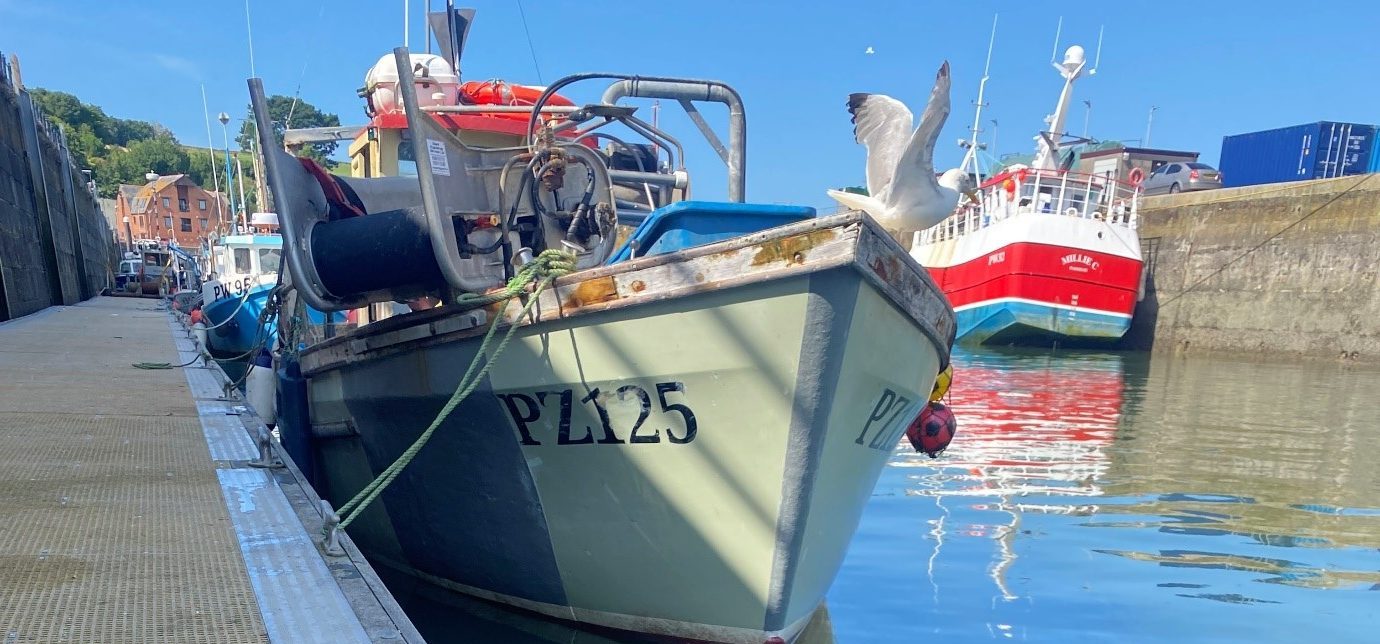
The National Lobster Hatchery has completed an important study that found critical genetic diversity of wild stocks is not impacted by hatchery lobster releases. Working together with local pot fishermen […]

Since last summer, the NLH has been working hard on the DEFRA-funded Genetic Management of Lobster Releases (GEMALOR) research project, led by the University of Exeter. As leaders in lobster […]

what we learnt… The end of June signified the end of one of our more exotic research projects. This The UNDP-funded project, led by the University of Exeter, focused on […]

“Larval Culture Innovation – Lending a claw to lobster conservation” aims to improve the NLH’s ability to grow juvenile lobsters to enhancing our conservation outputs in terms of lobster stock enhancement. The aim is to improve larval survival rates in our lobster production systems.

The research team has some very exciting news. Within the last coming weeks, the University of Exeter and The National Lobster Hatchery have heard that they have been awarded funding to pursue research into the Genetic Management of Lobster Releases – GEMALOR.

Lobster Grower 2 is a multifaceted, collaborative project assessing the potential for sea-based rearing of European lobsters in containers situated in the wild environment.
Highly efficient innovative shallow-water based
Sea Water Air Conditioning solution for the Channel Area
EUROSWAC

Lobster is a high value species, not currently exploited in the aquaculture sector with only an estimated 4.3% of demand being met and a supply deficit in the region of 120,000 tonnes.

Lobster Cultivator: the effects of seawater chemistry, egg health and feed quality on the production of post-larval lobsters.

Surging growth in human populations combined with sweeping industrialisation over recent generations has triggered an unprecedented expansion in our consumption of natural resources.

With no commercial diet tailored for clawed lobsters available, the Hatchery launched research into the specific nutritional requirements of lobsters almost as soon as juvenile production began.

The basic techniques with which to rear lobsters from tiny hatchlings to armoured adults has been around for over a century, but streamlining and improving these technologies and processes is vital to our pursuit of improved viability and impact of lobster stocking releases.
Considering the European lobster is such an iconic and recognisable animal, inhabits most coasts of Britain and Ireland, and is widely encountered as a prized seafood species, there are still lots of fundamental aspects of their biology which we barely understand.

Hatchery lobsters innately develop many behaviours which help them survive in the wild, even in captive rearing environments which lack the complexity of natural seabeds.

Since the 1980s, the tagging of released juvenile lobsters has established proof that hatchery-reared individuals can survive in the wild, recruit to the mature breeding stock, and contribute to fisheries landings.